
// CASK STRENGTH DAILY
Cocktail Recipes
Classic bourbon and rye cocktails, done properly , or, if you'd rather skip the shaker, how to serve a bottle straight.
Prefer to drink it straight? See how to serve it →
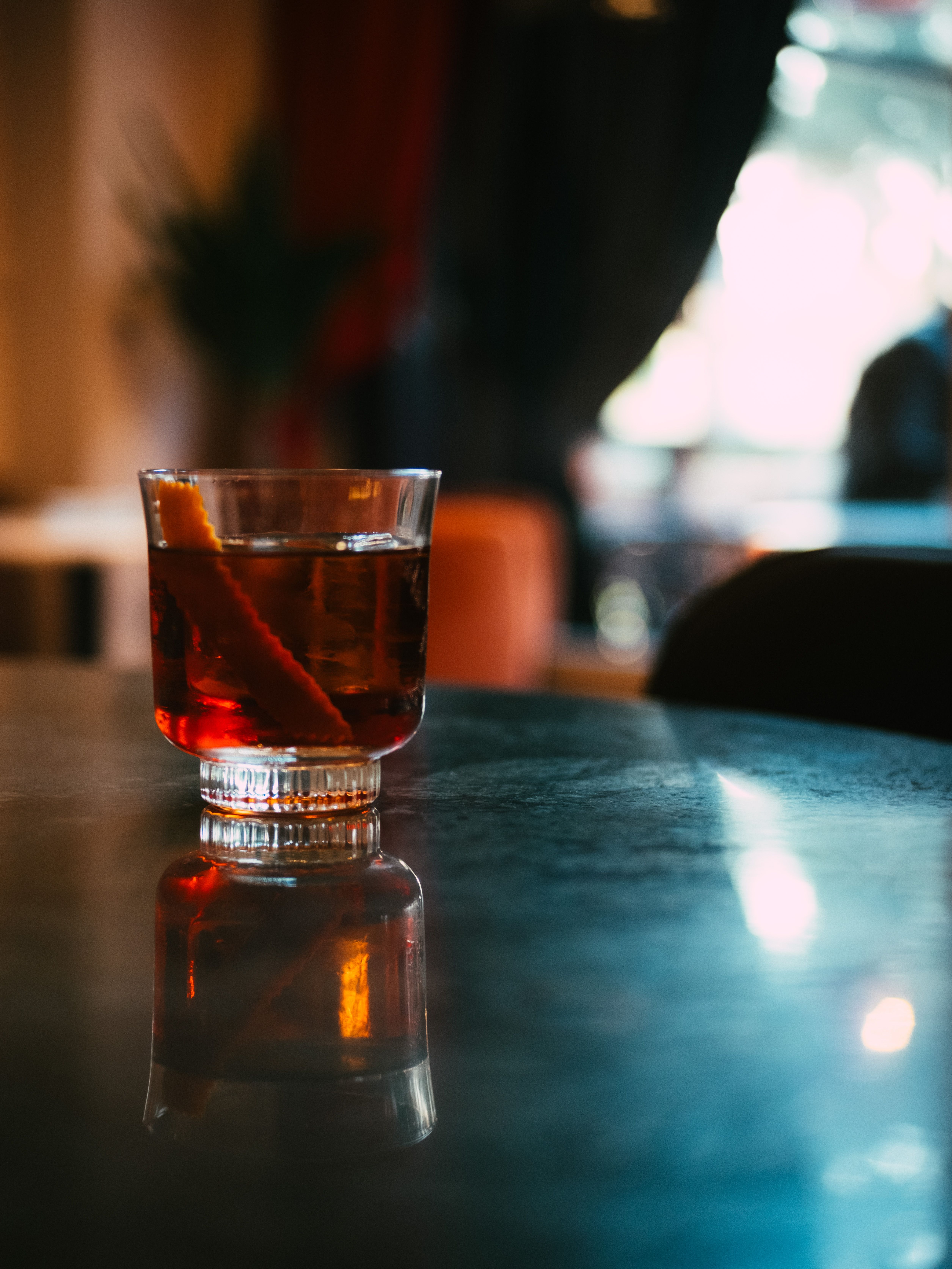
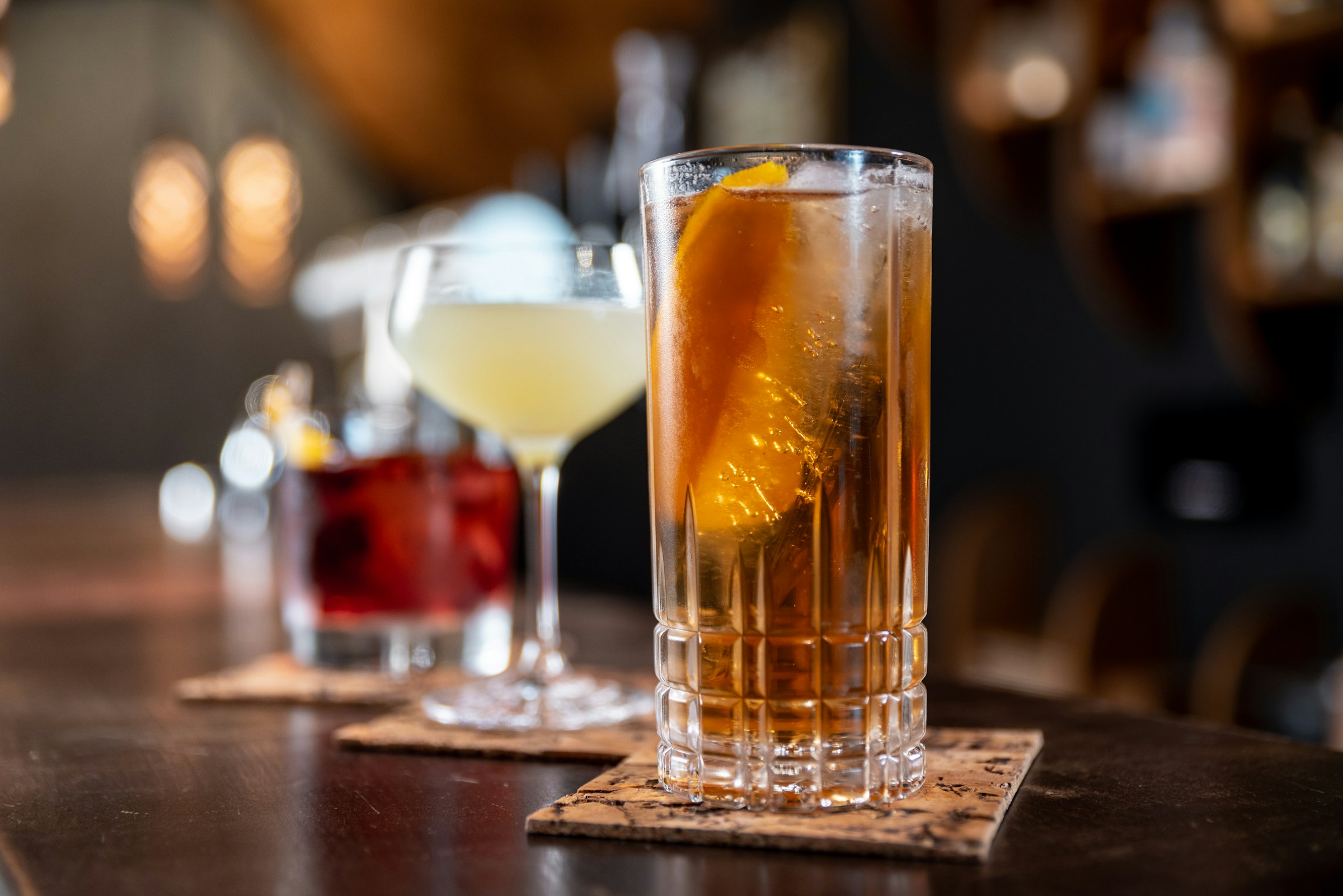
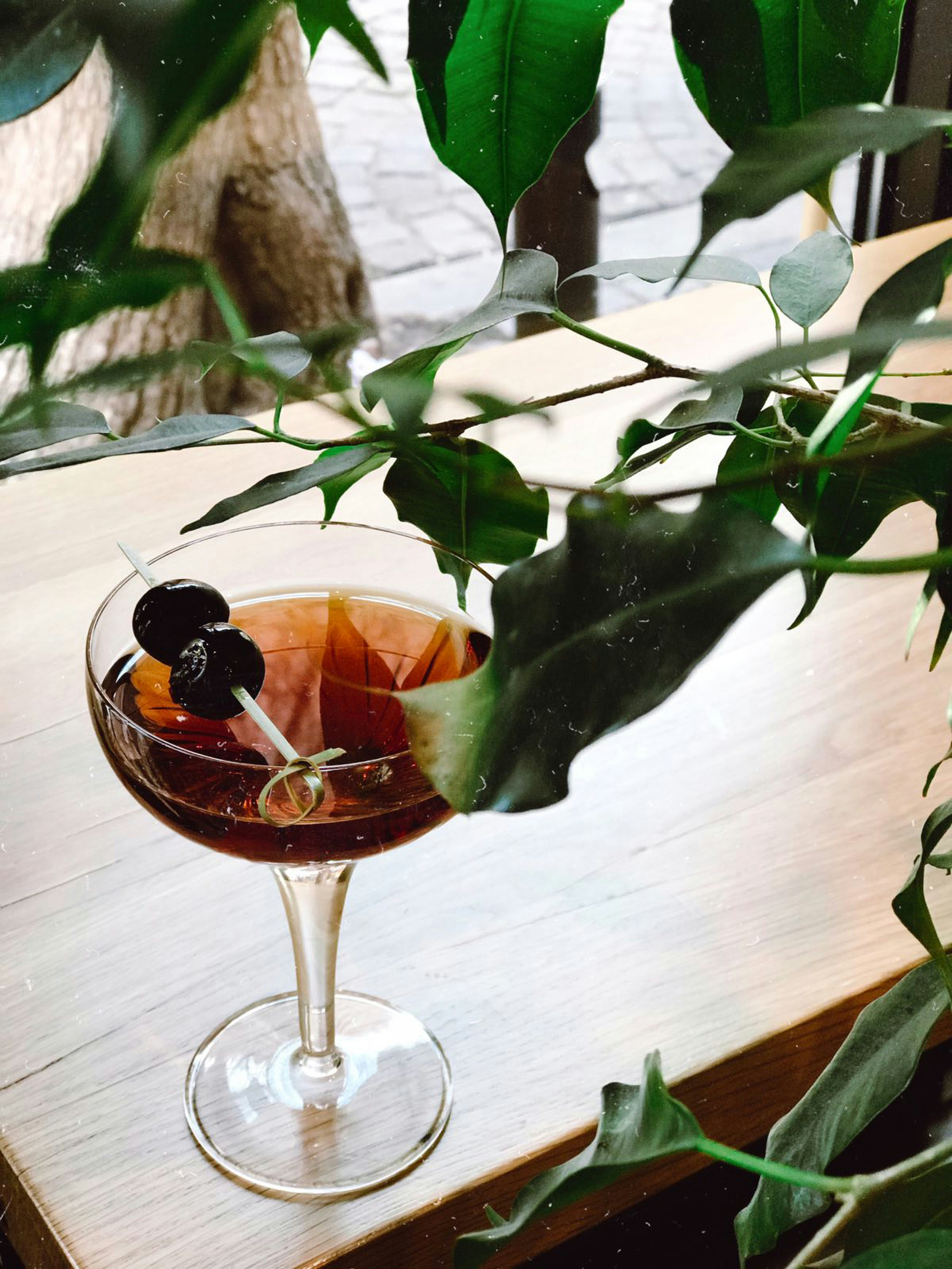
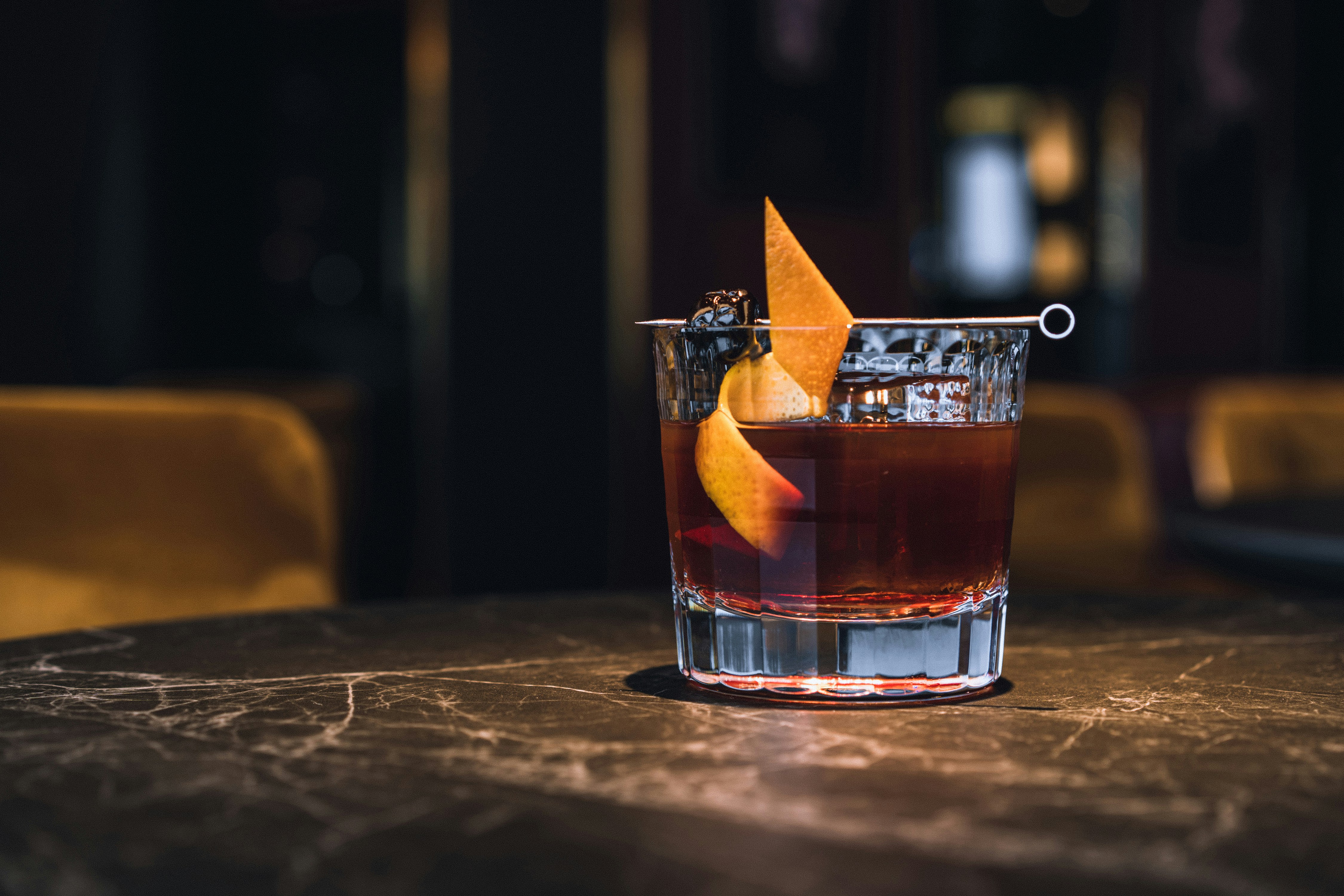
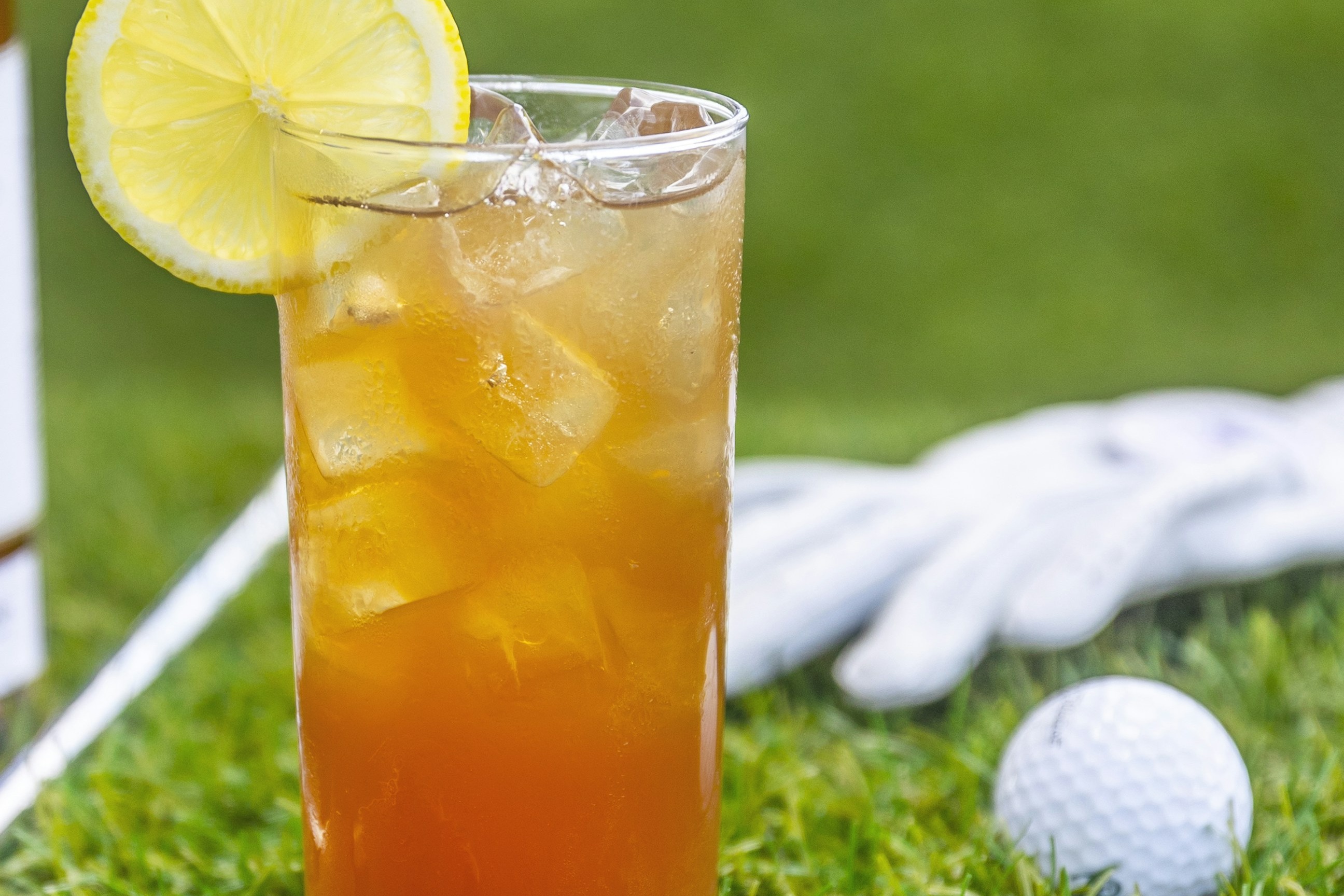
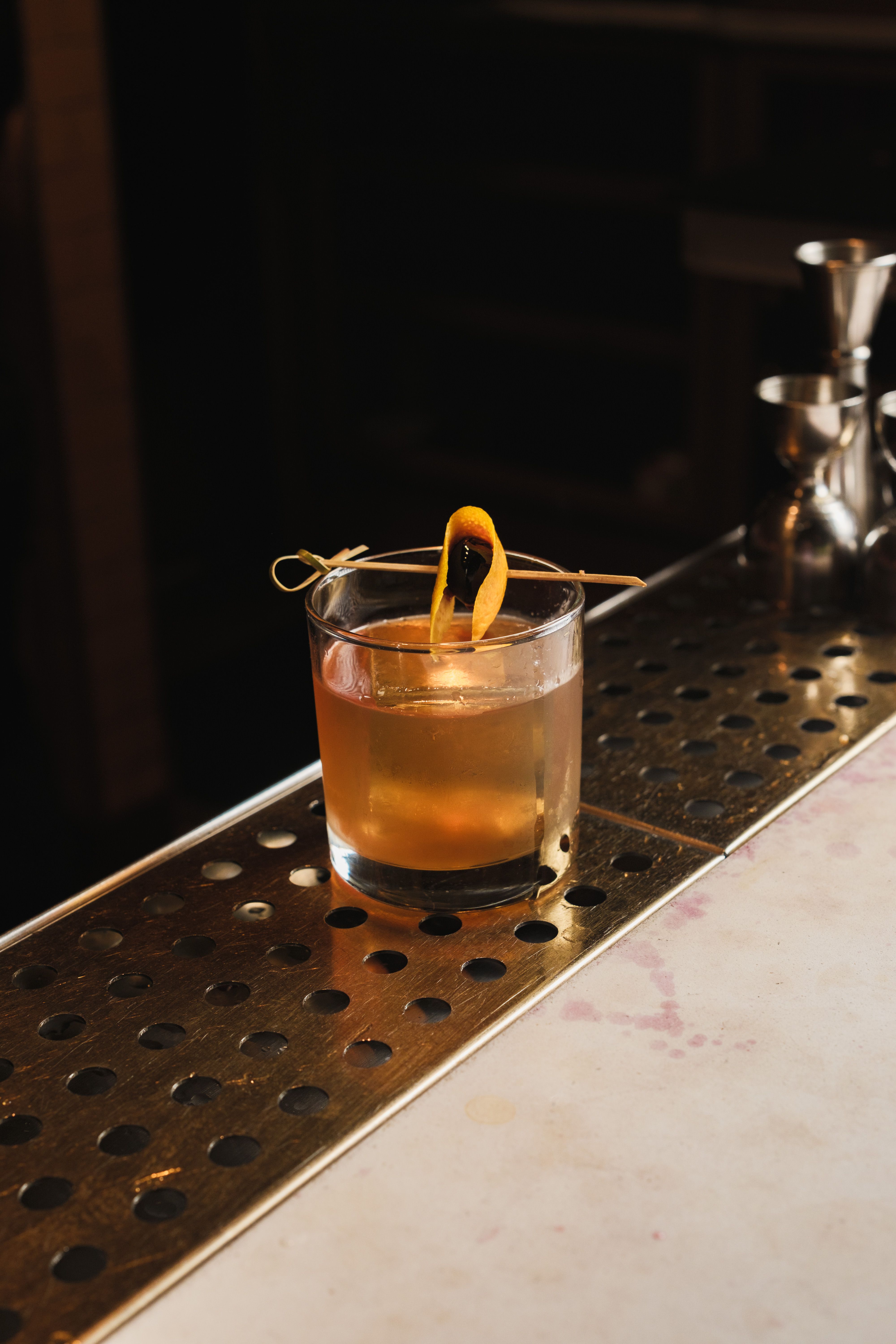
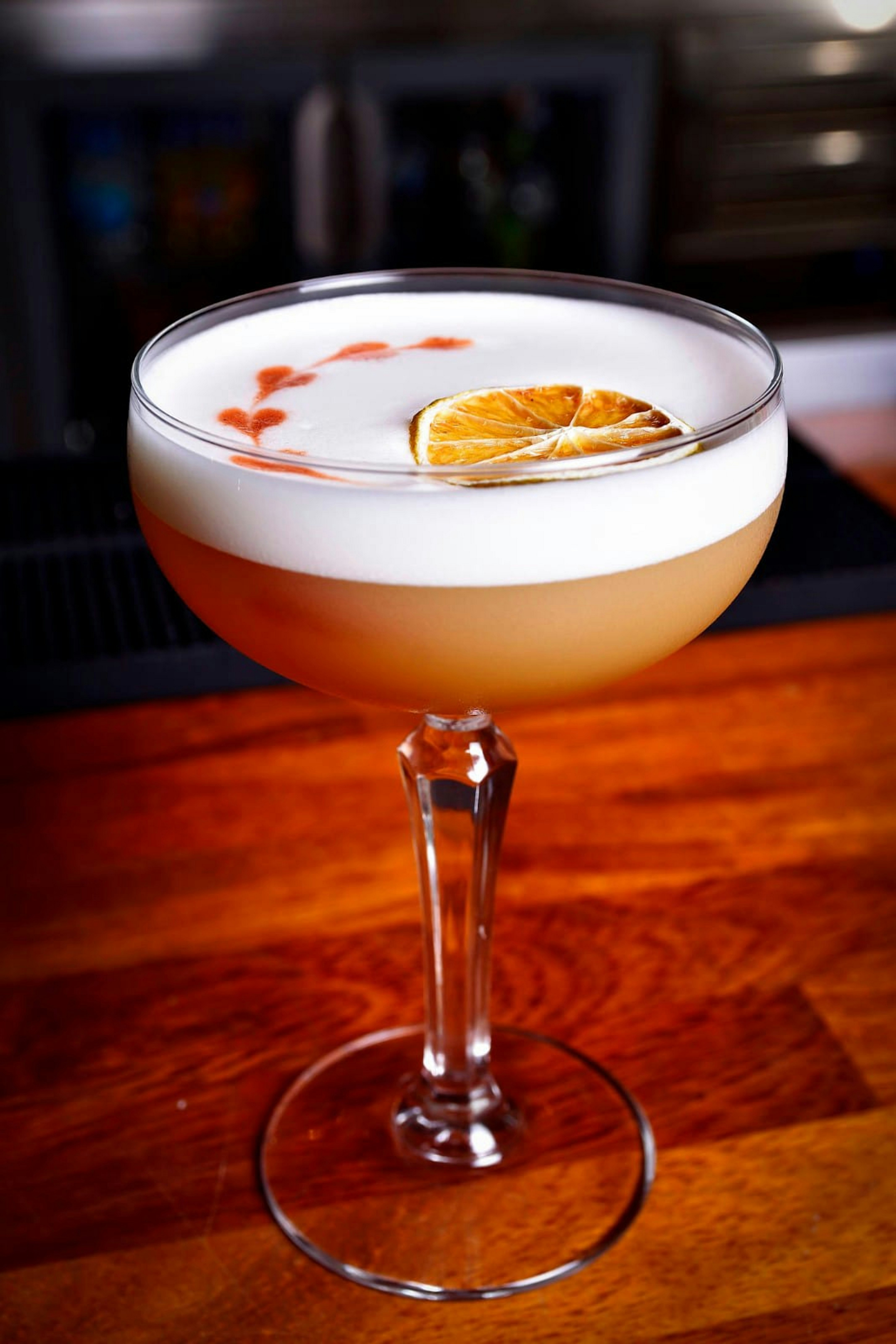
Want to mix it instead? See our cocktail guide →
Serving Styles
Not every bottle needs a cocktail. Here's the vocabulary for ordering (or pouring) it straight.

Neat
Poured at room temperature, no ice, no water. Full proof, full aroma.
Best for Tasting a whiskey as the distillery intended, or getting the clearest read on a new bottle.
Photo by Clay Banks on Unsplash

On the Rocks
Poured over ice. Chills and dilutes gradually as the ice melts.
Best for Casual sipping, hot weather, or a bottle you find a little hot at full proof.
Photo by Ambitious Studio* | Rick Barrett on Unsplash

Up
Chilled and strained, served cold with no ice in the glass.
Best for Wanting it cold without ongoing dilution.
Photo by Oliver Plattner on Unsplash
With a Splash of Water
A small amount of water added directly to open up aroma and flavor.
Best for Higher-proof pours (100+) where a few drops noticeably opens up the nose.

Water Back
Whiskey poured neat, with water served separately on the side.
Best for Keeping full control over dilution, sip by sip.
Photo by Dylan de Jonge on Unsplash
Glassware


Rocks Glass
Standard casual-sipping vessel, wide mouth, holds ice well.
Photo by Ambitious Studio* | Rick Barrett on Unsplash

Snifter
More associated with brandy/cognac, occasionally used for whiskey tasting.
Photo by Robin Canfield on Unsplash
What's Your Proof?
Enter the proof on your bottle for a quick, non-prescriptive suggestion. There's no wrong way to drink your own bottle , this is just a starting point.
Enter a proof above to see a suggestion.